Abraham Maslow, born on April 1, 1908, in Brooklyn, New York, was an American psychologist best known for creating Maslow’s hierarchy of needs, a foundational theory in human motivation and psychology. The eldest of seven children in a Russian-Jewish immigrant family, Maslow pursued psychology at the University of Wisconsin, later earning a Ph.D. and teaching at Brooklyn College and Brandeis University.
Maslow’s early work was influenced by behaviorism, but he soon broke away to explore a more humanistic approach, focusing on what motivates people beyond basic instincts. His hierarchy of needs proposed that humans are driven by a progression of needs—from physiological and safety needs to love, esteem, and ultimately self-actualization. This theory became a cornerstone of humanistic psychology, emphasizing personal growth, creativity, and fulfillment.
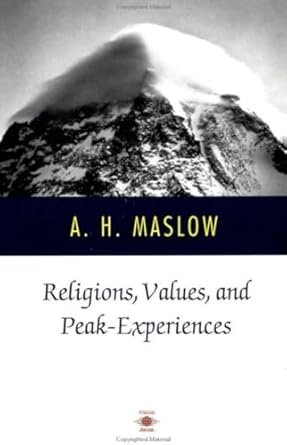
In addition to his theoretical contributions, Maslow studied exemplary individuals and introduced concepts like peak experiences and self-transcendence. His work reshaped psychology by highlighting positive human potential rather than pathology. Abraham Maslow died on June 8, 1970, but his influence remains strong in education, therapy, management, and personal development.