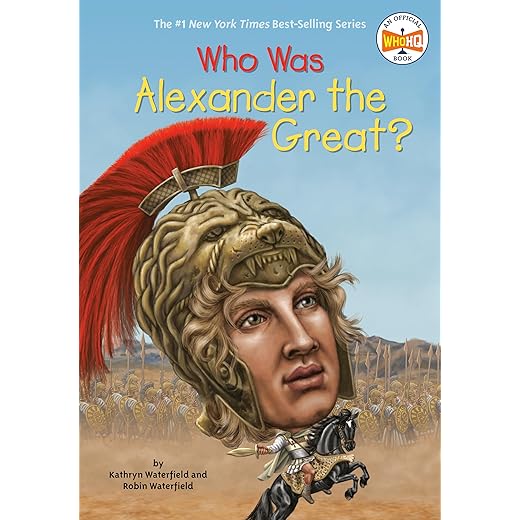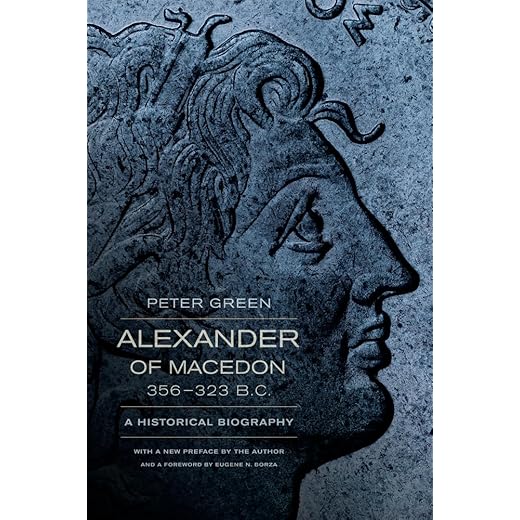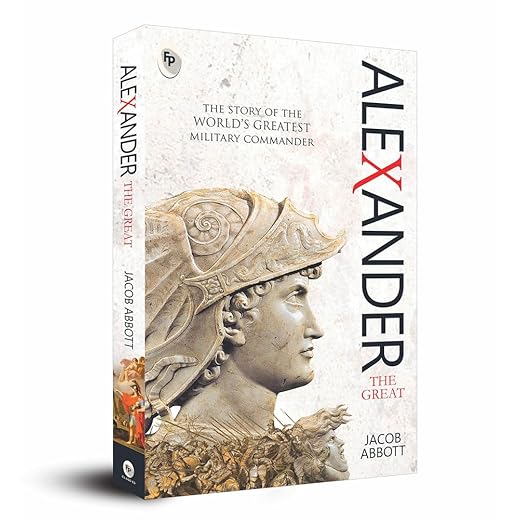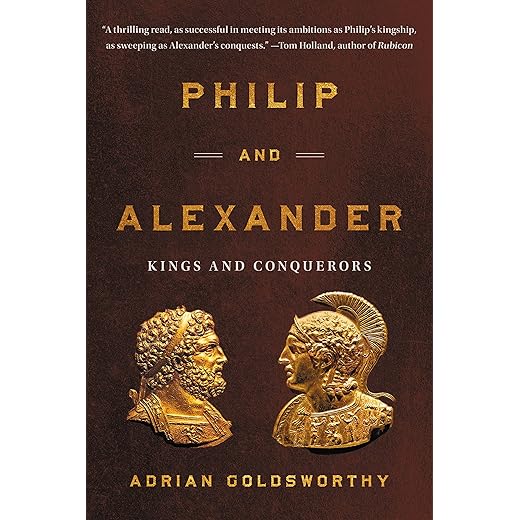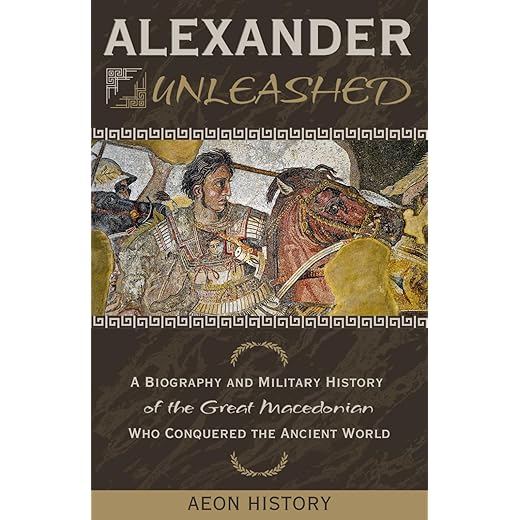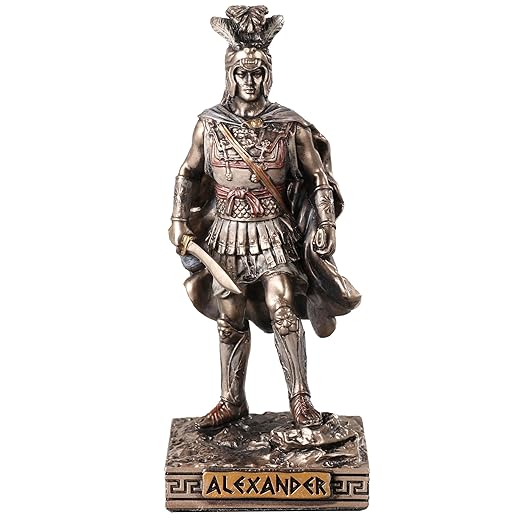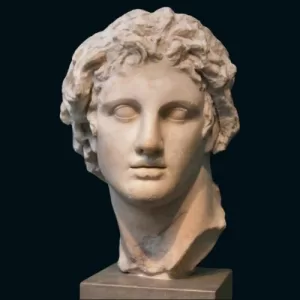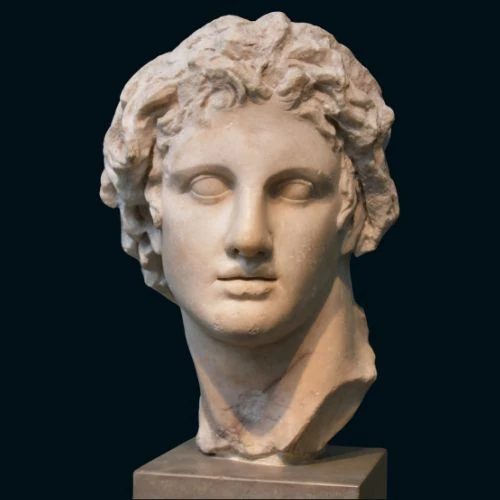
Alexander the Great, born in July 356 BC in Pella, Macedonia, was a military genius and king whose conquests forged one of the largest empires in history. The son of King Philip II and tutored by Aristotle, Alexander was groomed for leadership from an early age. At just 20 years old, he ascended to the Macedonian throne following his father’s assassination and swiftly began a campaign of unprecedented conquest.
Between 334 and 323 BC, Alexander led his army across the Persian Empire, defeating King Darius III and extending his rule from Greece to Egypt and as far east as India. Known for his bold strategies and charismatic leadership, he never lost a battle. Alexander founded over 20 cities—many bearing his name—including Alexandria in Egypt, a cultural hub of the ancient world.
Despite his military success, his empire fragmented soon after his untimely death on June 10, 323 BC, in Babylon, at the age of 32. His legacy endured through the spread of Hellenistic culture, blending Greek, Persian, Egyptian, and Indian influences and shaping the ancient world for centuries.