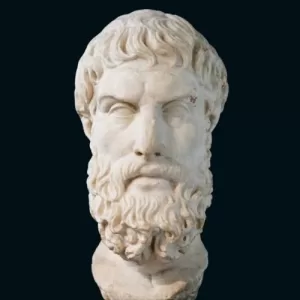
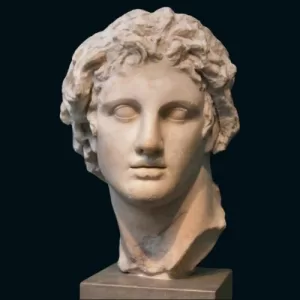
Epictetus, born around 55 AD in Hierapolis, Phrygia (modern-day Turkey), was a Greek Stoic philosopher whose teachings profoundly influenced Western thought. Born into slavery, he served in Rome under Epaphroditus, a wealthy freedman of Emperor Nero. Despite his bondage, Epictetus was allowed to study philosophy, eventually becoming a disciple of the Stoic philosopher Musonius Rufus. He was later freed and began teaching philosophy in Rome until Emperor Domitian expelled philosophers from the city around 93 AD.
Epictetus then moved to Nicopolis in northwestern Greece, where he founded his school. He taught that philosophy is a way of life, emphasizing personal ethics informed by a system of logic and views on the natural world. Central to his thought was the belief in controlling one’s own mind and accepting things outside of one’s control with calm and rationality. He wrote nothing himself; his teachings were transcribed by his student Arrian in works like the Discourses and the Enchiridion (Handbook), which remain foundational texts in Stoic philosophy.
Epictetus died around 135 AD. His ideas on resilience, self-discipline, and inner freedom have continued to resonate across centuries.