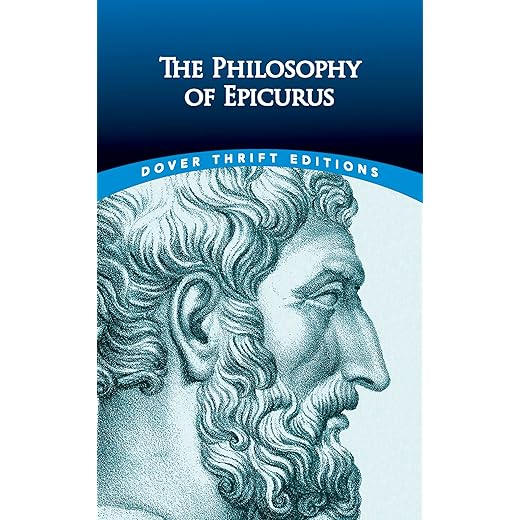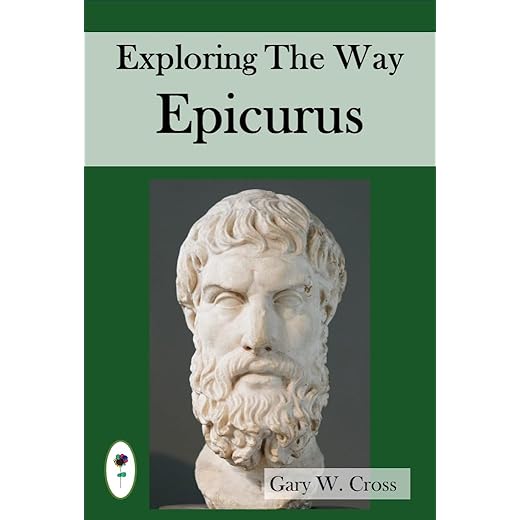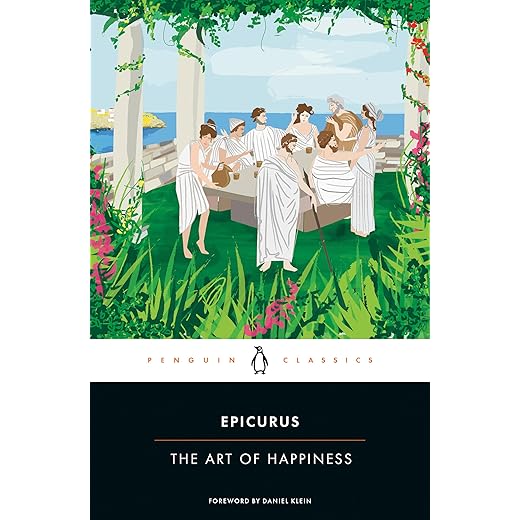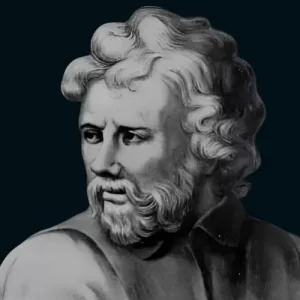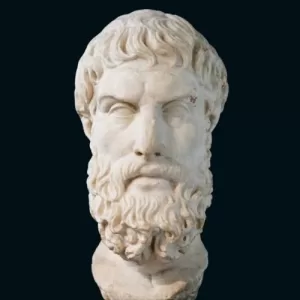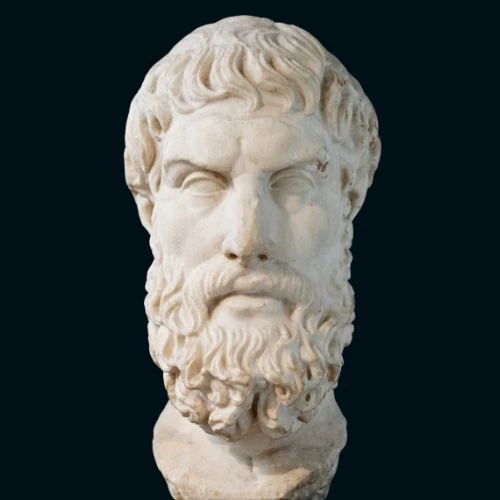
Epicurus, born in February 341 BC on the island of Samos, was an ancient Greek philosopher and the founder of Epicureanism, a school of thought centered on the pursuit of happiness through the moderation of desires and the cultivation of a tranquil mind. Moving to Athens around the age of 18, he studied under followers of Democritus, whose atomistic philosophy heavily influenced his thinking. Epicurus later established his school, known as “The Garden,” which welcomed men and women alike—a rare inclusivity in his time.
Epicurus taught that the greatest good was pleasure, defined not as hedonistic indulgence but as the absence of pain (aponia) and mental disturbance (ataraxia). He emphasized simple living, intellectual inquiry, and friendship as the keys to a fulfilling life. His philosophy dismissed fear of the gods and death, arguing that both were irrational sources of human anxiety.
Though most of his 300+ works are lost, his ideas survived through summaries and letters, especially those preserved by the Roman poet Lucretius and biographer Diogenes Laërtius. Epicurus died in 270 BC in Athens, yet his influence endures in philosophical discussions on ethics, happiness, and materialism.