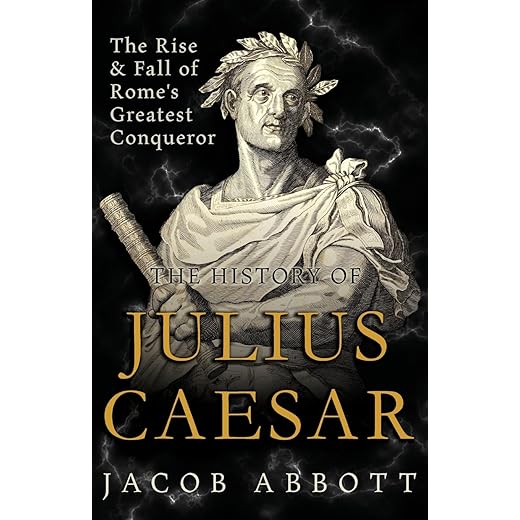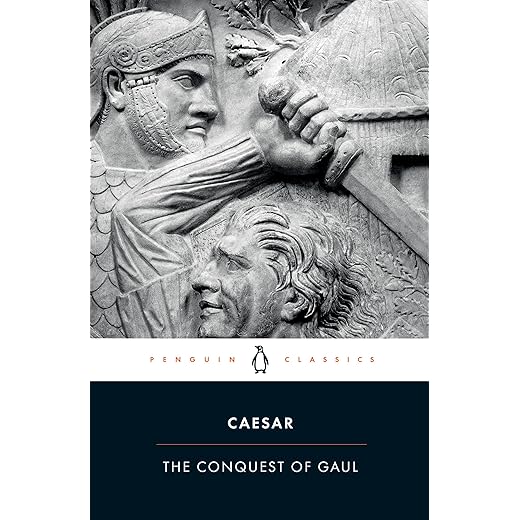
Gaius Julius Caesar, born on July 12 or 13, 100 BC, in Rome, was a military general, statesman, and pivotal figure in the transition from Roman Republic to Roman Empire. Coming from a patrician family, Caesar rose rapidly in Roman politics, aligning with influential leaders like Crassus and Pompey to form the First Triumvirate. He gained fame and loyalty through his conquests in Gaul, which expanded Rome’s territory and showcased his military genius.
His growing power alarmed the Roman Senate, and in 49 BC, Caesar famously crossed the Rubicon River with his army, sparking a civil war. Emerging victorious, he assumed control of the Roman government and was named dictator for life in 44 BC. Caesar enacted sweeping reforms in law, the calendar, and governance, but his concentration of power stirred resentment among senators.
On March 15, 44 BC—the Ides of March—Caesar was assassinated by a group of senators led by Brutus and Cassius. His death marked the end of the Roman Republic and set the stage for the rise of the Roman Empire under his adopted heir, Augustus. Caesar’s legacy endures as a symbol of ambition, leadership, and transformative power.