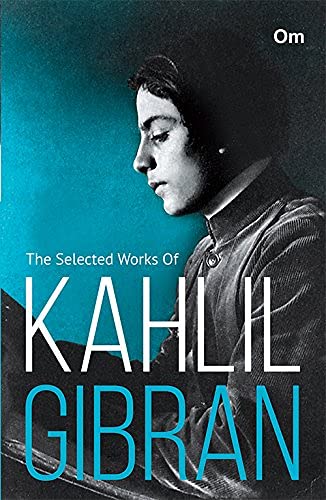
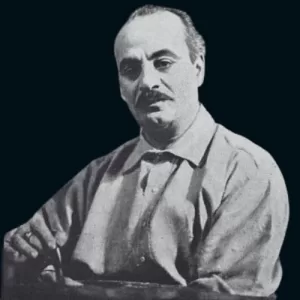
Khalil Gibran (Also known as Kahlil Gibran), born on January 6, 1883, in Bsharri, Lebanon (then part of the Ottoman Empire), was a Lebanese-American poet, philosopher, and artist whose writings bridged Eastern and Western spirituality. He immigrated to the United States with his mother and siblings in 1895, settling in Boston, where he began his artistic and literary career. Gibran later studied art in Paris before returning to the U.S., where he would spend most of his creative life.
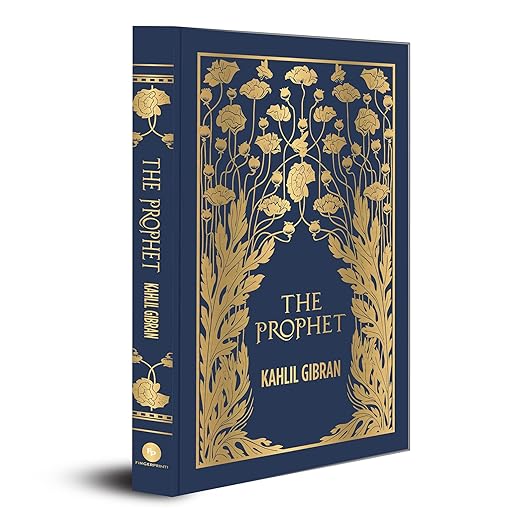
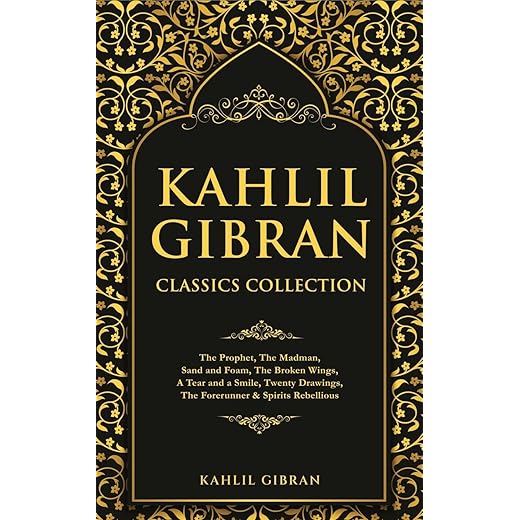
Gibran’s most famous work, The Prophet (1923), a collection of poetic essays on life, love, and human nature, became a global phenomenon and has never been out of print. His writing style—rich in metaphor and spiritual insight—drew from Sufi mysticism, Christian teachings, and romanticism, appealing to a diverse international audience.
Apart from literature, Gibran was also a skilled painter and illustrator. Despite facing criticism from traditionalists, he became a leading voice in the Mahjar literary movement of Arab émigré writers. Khalil Gibran died on April 10, 1931, in New York City. His work continues to inspire readers around the world with its depth, beauty, and timeless wisdom.