
Key Highlights
Batching tasks is a productivity method where you group similar activities and complete them in dedicated time blocks.
This technique significantly boosts overall productivity by reducing context switching, which can otherwise decrease your efficiency by up to 40%.
By focusing on one type of task at a time, you can enter a state of deep work, improving concentration and the quality of your output.
Getting started with task batching involves auditing your daily tasks, grouping them by category, and scheduling these batches in your calendar.
Using project management tools can help you organize and track your task batches effectively.
Do you ever feel like you’re jumping from one task to another all day, only to end the day feeling exhausted but not very productive? If you’re looking for a way to organize your day more efficiently, task batching might be the answer. This simple time management technique helps you bundle similar tasks together so you can tackle them all in one go. By adopting this productivity technique, you can minimize distractions, enhance your focus, and achieve more with less stress.
Table of Contents
Understanding Task Batching and Its Core Principles
Task batching is a straightforward time management method designed to make your workday more efficient. The core idea is to group similar tasks together and handle them in a single, dedicated period. This prevents you from constantly shifting your mental gears.
Instead of reacting to tasks as they appear, you take control of your schedule. This approach allows you to harness your focus and complete your work with greater concentration. Let’s explore what task batching is and how you can apply it in your daily routine.
What is Task Batching?
So, what exactly is task batching? It’s a productivity and time management strategy where you bundle tasks that are alike and complete them all at once. The main goal is to avoid the mental drain that comes from jumping between different types of work. This method is sometimes called time batching, and it can transform your work style.
Think about it like this: instead of writing an email, then working on a report, then making a phone call, you would do all your emailing in one block. This allows your brain to stay in one mode, taking advantage of the increased focus that comes from sticking to one type of activity for an extended time.
By grouping your to-do list items into batches, you dedicate your full attention to those specific activities. This approach helps you avoid multitasking and build a more structured, productive workflow that minimizes distractions and mental clutter.

How Does Task Batching Work in Real Life?
Applying task batching to your daily life is simpler than you might think. Imagine it like meal prepping for the week. You prepare all your ingredients at once instead of gathering them for each meal. This same principle applies to your work, allowing you to operate with greater focus and efficiency.
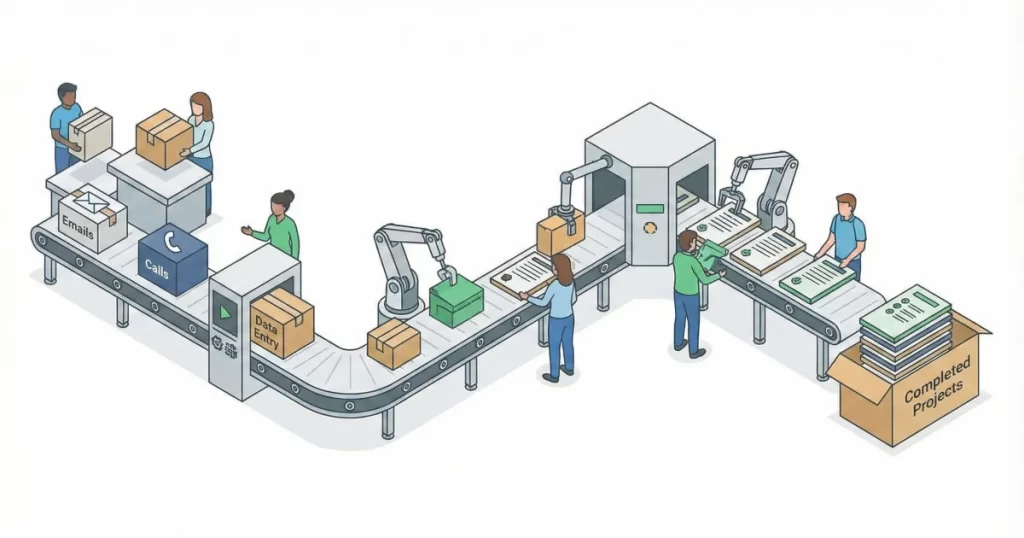
For example, if you have several emails to answer, reports to write, and calls to make, you would group these similar tasks together. You would then dedicate specific time blocks to each group of specific tasks.
This focused approach helps you gain momentum. Here’s how you can make it work:
Group similar tasks: Instead of scattering responses throughout the day, handle all your emails in one session.
Dedicate time blocks: Schedule a specific time, say one hour, just for administrative work like filing or data entry.
Stay in the zone: If you’re writing, stick to writing-related tasks to maintain your creative flow and produce higher-quality work.
Task Batching vs. Other Productivity Techniques
Task batching is a powerful productivity technique, but it’s not the only one out there. You may have heard of other methods like time blocking, time chunking, or even multitasking. Understanding the differences can help you decide which approach is best for you and your work style.
While some of these strategies seem similar, they have distinct principles. Let’s compare task batching with other popular methods to see how it stands out and why it is so effective at reducing distractions.
Comparison with Time Blocking and Time Chunking
Task batching and time blocking are often mentioned together, but they have key differences. Task batching focuses on grouping similar tasks into one batch. In contrast, time blocking, also known as time chunking, is about scheduling specific blocks of time in your day for any kind of work, whether the tasks are similar or not.
You can even combine these two strategies for maximum effect. First, use task batching to group your similar tasks. Then, use time blocking to assign a specific block of time in your calendar to complete that batch. This creates a highly organized and focused schedule.
Here is a simple breakdown of this time management method compared to time blocking:
Feature | Task Batching | Time Blocking |
|---|---|---|
Focus | Groups similar tasks to be done together. | Assigns specific time blocks to any task or activity. |
Objective | Reduce mental load from task switching. | Ensure enough time is allocated for all tasks. |
Flexibility | More flexible, as the focus is on the tasks, not a rigid schedule. | Less flexible, as it requires a strict schedule with set times. |
Differences Between Batching and Multitasking
Many people believe they are effective at multitasking, but research suggests it’s an illusion. Our brains are not built to handle multiple tasks at once. Instead, we rapidly switch between them, which can reduce productivity by up to 40% and lead to 50% more errors. This constant switching is a major productivity killer.
Task batching is the direct opposite of multitasking. Instead of juggling different activities, batching encourages you to focus on one type of task at a time. This singular focus aligns with how your brain works best, offering significant cognitive benefits.
By dedicating your full attention to a group of similar tasks, you can improve your attention span and avoid the mental fatigue that comes with multitasking. This focused approach not only boosts your efficiency but also improves the quality of your work because your brain isn’t constantly trying to reorient itself.
Why Task Batching Works for Beginners and Busy Professionals
Whether you’re new to productivity strategies or a busy professional trying to manage a hectic schedule, task batching can be a game-changer. It works because it’s based on how our brains function most effectively. By reducing the need to switch between different types of tasks, you conserve precious mental energy.
This method helps create a more organized and predictable work environment, which reduces stress and improves focus. Let’s look at the science behind why it’s so effective and the cognitive benefits it offers.
The Science Behind Batching Tasks for Efficiency
The effectiveness of task batching is rooted in cognitive science. Every time you switch between tasks, your brain uses more mental energy to get back in the zone. This is known as “context switching,” and it creates a cognitive load that makes you less efficient. This is a big reason why multitasking doesn’t work.
Research from the American Psychological Association shows that context switching can cause a 40% drop in productivity. It takes time and effort for our brains to refocus after an interruption. This mental lag, or “switching tax,” means you spend a significant amount of time just trying to get back on track.
Task batching minimizes this switching tax. By working on similar tasks within a specific time frame, your brain can stay focused on one mode of thinking. This conserves mental energy and allows you to work with greater efficiency, accomplishing more in the same amount of time.

Cognitive Benefits: Focus and Reduced Mental Fatigue
One of the most significant cognitive benefits of task batching is its ability to enhance your focus and reduce mental fatigue. When you constantly switch between tasks, your brain’s prefrontal cortex experiences high levels of activation, which leads to burnout and exhaustion. Task batching helps prevent this by allowing you to dedicate your full attention to one thing.
This sustained concentration makes it easier to enter a state of deep work, a concept popularized by Cal Newport. Deep work is a state of distraction-free focus where your brain operates at its maximum potential. By minimizing interruptions, you can immerse yourself in challenging tasks and produce higher-quality results.
When you’re in a flow state, you are fully engaged and working at your peak performance. Task batching helps you achieve and maintain this state for longer periods, leading to increased productivity, reduced stress, and greater job satisfaction.
Key Benefits of Batching Tasks for Everyday Productivity
If you’re looking for productivity hacks that deliver real results, task batching should be at the top of your list. This method helps you work smarter, not harder, by aligning with your brain’s natural ability to focus. It allows you to enter a deep work mode and reach your maximum potential.
The advantages go beyond just getting more done. By adopting this strategy, you can streamline your entire workflow and create a less stressful work environment. Let’s explore some of the key benefits in more detail.
Saving Time and Streamlining Workflows
A major advantage of task batching is saving time. Every time you switch tasks, you lose momentum. It can take over 20 minutes to fully regain focus after a distraction. By grouping similar activities, you eliminate this wasted time and create more streamlined workflows.
Start by creating a comprehensive task list. Once you have everything written down, you can organize it into logical groups. Assigning specific time slots to these batches helps you stay organized and prevents procrastination. This structured approach makes your day more predictable and manageable.
When tasks consistently take longer than you expect, it’s often because of interruptions. By dedicating uninterrupted time to your batches, you can complete your work more quickly and efficiently. This leads to more free time and a greater sense of accomplishment at the end of the day.
Reducing Distractions and Improving Deep Work
In today’s world, distractions are everywhere. Notifications, emails, and chatty coworkers can constantly pull you away from your work. Task batching is one of the most effective ways to combat these distractions and create space for deep work.
By scheduling specific times for communication tasks like checking your email inbox, you can turn off notifications at other times without worrying about missing something important. This minimizes context switching and protects your attention span, allowing you to focus completely on the task at hand.
This sustained focus is the key to achieving a state of deep work. When you are fully immersed in an activity without interruptions, you can learn complex skills more effectively and produce work of the highest quality. This not only boosts your productivity but also makes your work more satisfying.

Step-by-Step Guide to Start Batching Tasks
Ready to give this time management technique a try? Getting started with task batching is a simple process that can be broken down into a few manageable steps. This step-by-step guide will help you build a system that works for you.
The key is to identify similar tasks in your workflow and schedule dedicated time to complete them. Let’s walk through how to categorize your tasks and plan your batches for maximum efficiency.
Identifying and Categorizing Similar Tasks
The first step is to get a clear picture of everything you need to do. Create a comprehensive task list that includes all your daily and weekly activities, from checking emails to working on major projects. This audit of your workday will help you uncover hidden patterns.
Once you have your list, start grouping similar tasks into categories. You can organize them in several ways, depending on your work. This is a core element of effective project management and personal organization.
Here are a few common ways to categorize your tasks:
By task type: Group all writing, research, or administrative tasks together.
By project or client: If you work at an agency, it might make more sense to group all tasks related to a single client.
By energy level: Batch demanding creative work separately from low-energy routine tasks.
Scheduling and Planning Effective Task Batches
After categorizing your tasks, the next step is to schedule them. Set aside time in your calendar for each batch. It’s important to be realistic about how long each group of tasks will take. If you’re unsure, track your time for a few days to get an accurate estimate.
When you create your schedule, be strategic. Plan your batches around your natural energy levels and daily commitments. A well-planned schedule ensures you have a clear plan of action for the day.
Here are some tips for scheduling your time slots effectively:
Use your peak hours: Schedule complex or creative batches during the time of day when you feel most productive.
Don’t overschedule: Avoid back-to-back time blocks. Leave buffer time between batches for breaks or to handle unexpected issues.
Plan in advance: Set up your schedule the day before so you know exactly what to focus on when you start your day.

Expert-Recommended Task Batching Tips for Success
Once you have the basics down, you can refine your process with some expert tips. These productivity hacks can help you get even more out of task batching and ensure your system is sustainable in the long run.
Using the right tools and prioritizing effectively are key to success. Let’s look at how you can take your task batching to the next level and make it a seamless part of your workflow.
Prioritizing Tasks for Maximum Impact
Not all tasks are created equal. To reach your maximum potential, you need to focus on prioritizing tasks that have the biggest impact. When deciding which batches to tackle first, look at the bigger picture.
Consider your energy levels throughout the day. Schedule your most demanding batches, like those requiring deep creative thinking or strategic planning, during your peak energy periods. Reserve less demanding tasks for times when your energy naturally dips.
Here are some characteristics to look for when prioritizing your task batches:
Deadlines: Batches containing the most time-sensitive tasks should always take priority.
Key clients: If you have batches related to a major client, they should come before tasks for lower-tier clients.
Bottlenecks: Any batch with tasks that are holding up other team members should be addressed sooner rather than later.
Tools and Apps to Simplify Task Batching
While you can use a simple pen and paper, using digital tools and apps can make this productivity technique much easier to manage. Project management software can help you organize, schedule, and track all your tasks and batches in one place.
Many of these platforms offer a free trial, so you can test them out to see which one fits your needs best. These tools often include features like time tracking, calendar integration, and team collaboration, which streamline the entire process.
Here are some types of tools that can help:
Project Management Software: Apps like Asana, ActiveCollab, and Trello let you create task lists, group them, and monitor progress.
Time Tracking Apps: Time Management Tools like Clockify and Toggl Track can automatically track how you spend your time, giving you data to plan your batches more accurately.
Digital Calendars: Using a calendar app helps you schedule time blocks and gives your team visibility into when you’re in focus mode.
Common Challenges and Mistakes in Task Batching
Even the best-laid plans can face challenges. While task batching is highly effective, it’s not without its hurdles. A common objection is that it feels too rigid. Understanding potential mistakes ahead of time can help you avoid them.
From internal struggles like perfectionism and procrastination to external interruptions, knowing how to handle these obstacles is key to making task batching work for you. Let’s explore some common issues and how to solve them.
Overcoming Perfectionism and Procrastination
Perfectionism and procrastination are two of the biggest internal saboteurs of any productivity system. Perfectionists often struggle to start tasks because they fear the outcome won’t be flawless. Procrastinators delay starting, which can disrupt the entire schedule you’ve carefully planned.
The key to overcoming these tendencies is to focus on progress, not perfection. The bottom line is that getting something done is better than getting nothing done at all. Break large, intimidating tasks into smaller, more manageable steps.
Here are a few ways to combat these internal hurdles:
Start small: If a batch feels overwhelming, just commit to working on it for a small amount of time, like 15 minutes.
Celebrate small wins: Acknowledging your progress builds momentum and makes it easier to keep going.
Use time limits: Setting a timer can create a sense of urgency that helps you push past the urge to procrastinate.
Adapting When Task Batching May Not Work
Task batching is not a one-size-fits-all solution. There will be times when this work style isn’t the most effective approach. Being ready to adapt your system is crucial for long-term success and a productive day.
For example, if your role involves handling frequent, unpredictable emergencies, a rigid batching schedule might not be practical. The goal is to build a system that supports you, so don’t be afraid to be flexible.
Consider adapting your approach in these situations:
Urgent requests: Incorporate buffer time between your batches to handle unexpected tasks without derailing your entire day.
High-variability tasks: Some work is unpredictable in nature and may not be suitable for batching.
Team collaboration: If you work in a highly collaborative environment, communicate your focus hours clearly to manage expectations.
Conclusion
In summary, batching tasks is a powerful technique that can significantly enhance your productivity and efficiency. By grouping similar activities, you not only save time but also minimize distractions, allowing for deeper focus on each task. This method caters particularly well to beginners and busy professionals who often feel overwhelmed by their workloads. Remember, the key is to identify and categorize tasks effectively, while also being flexible enough to adapt your approach as needed. Embracing task batching can lead to a more organized workflow and reduce mental fatigue, ultimately helping you accomplish more in less time. If you’re ready to take your productivity to the next level, consider reaching out for a free consultation to get personalized advice tailored to your needs.
Frequently Asked Questions
How do I decide which tasks belong in the same batch?
To decide which tasks belong together, review your task list and group similar tasks that require the same mindset or tools. For example, put all your writing-related specific tasks in one batch and all administrative work in another. Schedule these groups into specific time slots or blocks of time.
Can batching tasks help reduce multitasking in my workflow?
Yes, absolutely. Task batching is the antidote to multitasking. By dedicating time to one type of task, like answering all Slack messages at once, you create a work environment that supports deep work. This prevents the constant context switching that drains your energy and helps you maintain a state of deep work.
Are there situations where batching tasks isn’t recommended?
Task batching may not be ideal for roles with frequent, unpredictable emergencies that require immediate attention. It can also be challenging if your work style is very fluid or if your energy levels fluctuate unpredictably throughout the day of the week, making it hard to stick to specific times.